How to Protect Your Website from Phishing Scams
Mar 3, 2026
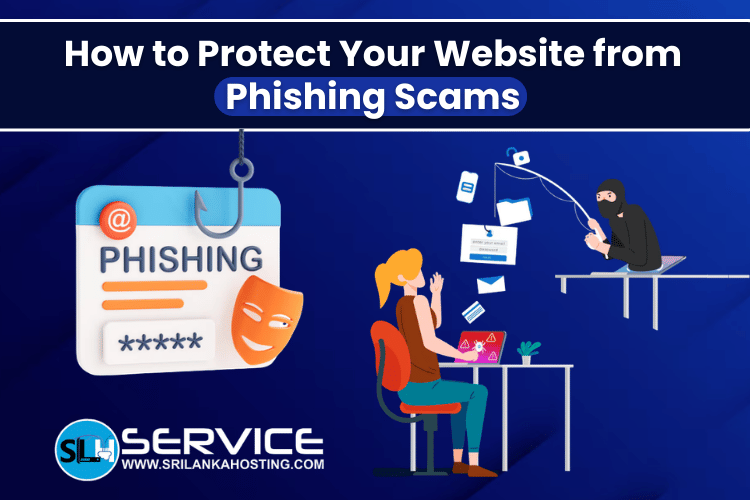
Phishing is a type of cyber attack where criminals try to trick users into giving personal information, passwords, or payment details by pretending to be a trusted website. Phishing can harm your website visitors and damage your business reputation. Protecting your website from phishing scams is essential for keeping your data and users safe.
Why Phishing Is Dangerous?
Phishing scams can:
-
Steal sensitive customer information
-
Damage your brand’s trust
-
Lead to financial loss
-
Cause your website to be blacklisted by search engines
Even one successful phishing attack can have long-term consequences for your business and users.
How Phishing Scams Work
Typically, phishing attacks involve:
1. Fake Emails or Messages – Attackers send emails that look like they come from your website or company.
2. Fake Login Pages – They create fake pages that mimic your website to steal login credentials.
3. Malicious Links – Users are tricked into clicking links that download malware or steal data.
Understanding these methods helps you prevent them before they happen.
Ways to Protect Your Website from Phishing
1. Use SSL Certificates
SSL certificates encrypt data between your website and visitors, making it harder for attackers to intercept information.
2. Enable Two-Factor Authentication (2FA)
2FA adds an extra layer of security for website logins, requiring a second verification step beyond just a password.
3. Keep Software Up-to-Date
Regularly update your CMS, plugins, and server software to fix security vulnerabilities that attackers may exploit.
4. Educate Your Users
Inform your users about phishing scams and how to recognize suspicious emails or fake links.
5. Monitor Your Website for Suspicious Activity
Use security tools and monitoring services to detect unusual login attempts or unauthorized access.
6. Implement Anti-Phishing Tools
Some tools can scan incoming emails, web forms, and links for phishing attempts and block them automatically.
Best Practices for Website Security
-
Use strong, unique passwords for all accounts
-
Limit admin access to trusted users only
-
Backup your website regularly
-
Avoid using public Wi-Fi when managing your website
By following these best practices, you reduce the risk of phishing attacks and protect both your website and users.
Conclusion
Phishing scams are a serious threat to websites and businesses. By using SSL, 2FA, secure passwords, and staying updated with software and monitoring, you can protect your website and build trust with your users.
SriLanka Hosting specializes in secure hosting solutions, server management, and website security, helping you keep your site safe from phishing and other cyber threats.