
What Not to Do in Online Advertising: Avoid These Common Mistakes
Oct 6, 2026
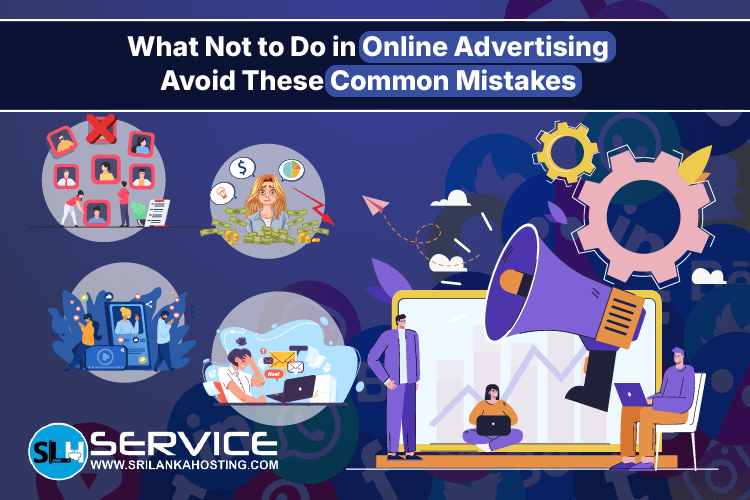
Online advertising helps Sri Lankan businesses reach potential customers, promote their services, and grow their brands. Platforms such as Google Ads and social media advertising make it easier to connect with people who are interested in your products or services. However, spending money on ads does not always bring good results. Poor targeting, unclear messages, and weak landing pages can waste your advertising budget. By understanding common mistakes, businesses can improve their campaigns and get more value from their marketing efforts.
1. Targeting the Wrong Audience
One common mistake is showing ads to people who are unlikely to be interested in your products or services. For example, a business selling web hosting in Sri Lanka may waste money by targeting a broad audience without considering its actual customer needs. Before launching a campaign, identify your ideal customers based on their interests, location, needs, and buying behaviour. Use relevant audience settings and keywords to reach people who are more likely to become customers.
2. Using Unclear Advertising Messages
Your ad should quickly explain what you offer and why customers should choose it. Messages that are too general or confusing may fail to attract the right audience. For example, instead of saying “Best Services for Everyone,” explain the actual benefit, such as reliable web hosting for small businesses or flexible hosting plans for growing websites. Keep the message simple, clear, and relevant to your audience.
3. Sending Visitors to the Wrong Landing Page
Getting clicks is only one part of online advertising. When visitors click your ad, they should arrive at a page that matches what the ad promised. For example, if you advertise a VPS hosting plan, send visitors directly to the relevant VPS hosting page instead of a general homepage. Make sure the page loads properly, works on mobile devices, and clearly displays important information, pricing, and contact options.
4. Ignoring Your Advertising Budget
Spending more money does not always mean getting better results. Running campaigns without setting a budget or checking expenses can quickly increase marketing costs without generating enough enquiries or sales. Set a budget based on your business goals and monitor campaign spending regularly. Start with a manageable amount, review the results, and adjust your spending based on performance. Remember to consider the value of the customers you gain, not just the number of clicks.
5. Using the Same Ad for Every Audience
Different customers may have different needs, even when they are interested in the same service. A startup may look for affordable hosting, while an established business may prioritise performance, scalability, and technical support. Create different ad messages for different customer groups. Test various headlines, images, and calls to action to discover which combinations attract the most relevant visitors.

6. Forgetting Mobile Users
Many people in Sri Lanka use smartphones to browse websites, compare services, and make purchasing decisions. If your ads or landing pages do not work well on mobile devices, potential customers may leave without taking action. Check how your ads appear on different screen sizes. Ensure that landing pages load quickly, text is easy to read, buttons are simple to tap, and enquiry forms are easy to complete.
7. Making Misleading Promises
Exaggerated claims, unclear prices, and promotions that are not available can damage customer trust. Advertising should accurately describe your products, services, prices, and offers. For example, if you promote a hosting package at a special price, clearly explain any important conditions, renewal rates, or limitations. Honest advertising helps customers make informed decisions and supports long-term business relationships.
8. Not Tracking Campaign Results
Without tracking results, it is difficult to know whether your advertising is helping your business. A campaign may receive many clicks but generate very few enquiries or sales. Use suitable analytics and conversion tracking tools to measure important results, such as completed forms, phone enquiries, purchases, and cost per lead. Review these results regularly to identify what works and where improvements are needed.
9. Ignoring Ad Performance and Customer Feedback
Launching an ad campaign is not the final step. Audience interests, competition, and campaign performance can change over time. Review your advertising reports, check customer responses, and pause or improve ads that are not performing well. Use the information you collect to make better decisions instead of continuing to spend money on campaigns that produce poor results.
10. Forgetting the Importance of a Reliable Website
Even a well-designed advertisement may fail if the website behind it is slow, difficult to use, or frequently unavailable. Visitors expect a smooth experience when they click an ad and look for information. For businesses promoting websites, online stores, or digital services, reliable web hosting is an important part of the customer experience. Choosing a suitable hosting plan can help support website performance, while proper website optimisation and maintenance also play important roles. SriLanka Hosting provides hosting solutions for businesses, including web hosting and VPS hosting options. Choosing a plan that matches your website's needs can help provide a better experience for visitors arriving through your advertising campaigns. Explore SriLanka Hosting to find a hosting solution for your business website.
Final Thoughts
Successful online advertising involves more than creating an ad and paying
for clicks. Businesses need to understand their audience, share clear
messages, use relevant landing pages, manage budgets, and track results. By avoiding these common mistakes, Sri Lankan businesses can make better use
of their advertising budgets and create a smoother experience for potential
customers. Combine effective advertising with a reliable website to build
trust, attract relevant visitors, and support long-term business growth.