How to Switch Your Website to HTTPS: A Simple Step-by-Step Guide
Jan 19, 2026
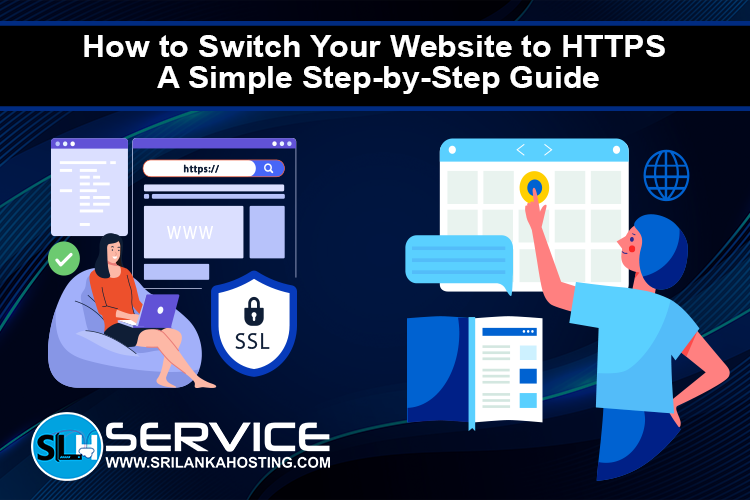
Website security is a basic requirement today. If your website still uses HTTP, switching to HTTPS is essential to protect visitors, build trust, and remain search-engine friendly.
HTTPS works using an SSL certificate, which secures the connection between your website and users. This is a key part of modern web hosting and website management.
What is an SSL Certificate?
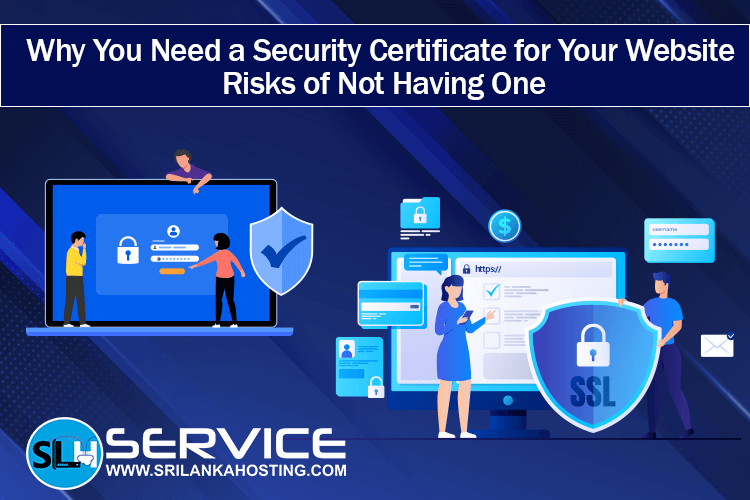
An SSL certificate encrypts the data sent between a website and its visitors. When SSL is enabled:
The website URL starts with https://
A padlock icon appears in the browser
These signs show visitors that the website is secure and trustworthy.
Benefits of Using an SSL Certificate
- Better Website Security
SSL protects sensitive data such as login details, contact form messages, and customer information from being intercepted.
- Builds Trust with Visitors
When users see the padlock icon, they feel safer browsing the website. This increases confidence and improves the overall brand image.
- Avoids Browser Security Warnings
Modern browsers display “Not Secure” warnings on websites without SSL. Using SSL removes these warnings and creates a smoother user experience.
- Supports SEO Performance
Search engines prefer secure websites. HTTPS helps maintain better visibility and supports long-term SEO growth.
- Works with Modern Website Features
Many modern web features and integrations require HTTPS. Without SSL, some functions may not work correctly.
Bad Effects of Not Using an SSL Certificate
- Browser “Not Secure” Messages
Security warnings can cause visitors to leave the website immediately.
- Loss of Customer Trust
Users may avoid submitting forms or sharing information on unsecured websites.
- Increased Security Risks
Without SSL, data can be exposed to hackers and malicious activity.
- Lower Search Engine Rankings
Unsecured websites may lose search engine trust, leading to reduced organic traffic.
- Poor User Experience
An unsecured website often results in higher bounce rates and lower engagement.
Switching Your Website to HTTPS
Switching to HTTPS involves enabling SSL, updating website URLs, and redirecting all HTTP traffic to HTTPS. When configured correctly, your website becomes more secure, trusted, and future-ready.
For businesses that want a smooth and error-free transition, using a professional SSL setup service ensures that the HTTPS configuration is done correctly without affecting website performance.
Learn more about professional SSL setup here:
https://www.srilankahosting.lk/ssl-installation-service
Final Thoughts
An SSL certificate is no longer optional. It is a core part of website security and modern hosting standards. Whether you run a business website, blog, or online store, HTTPS helps protect visitors, improve trust, and support long-term online success.
Visit: https://www.srilankahosting.lk/ssl-installation-service